
Paugh Handyman Service Dallas
Reliable and Trustworthy
Reliable and Trustworthy
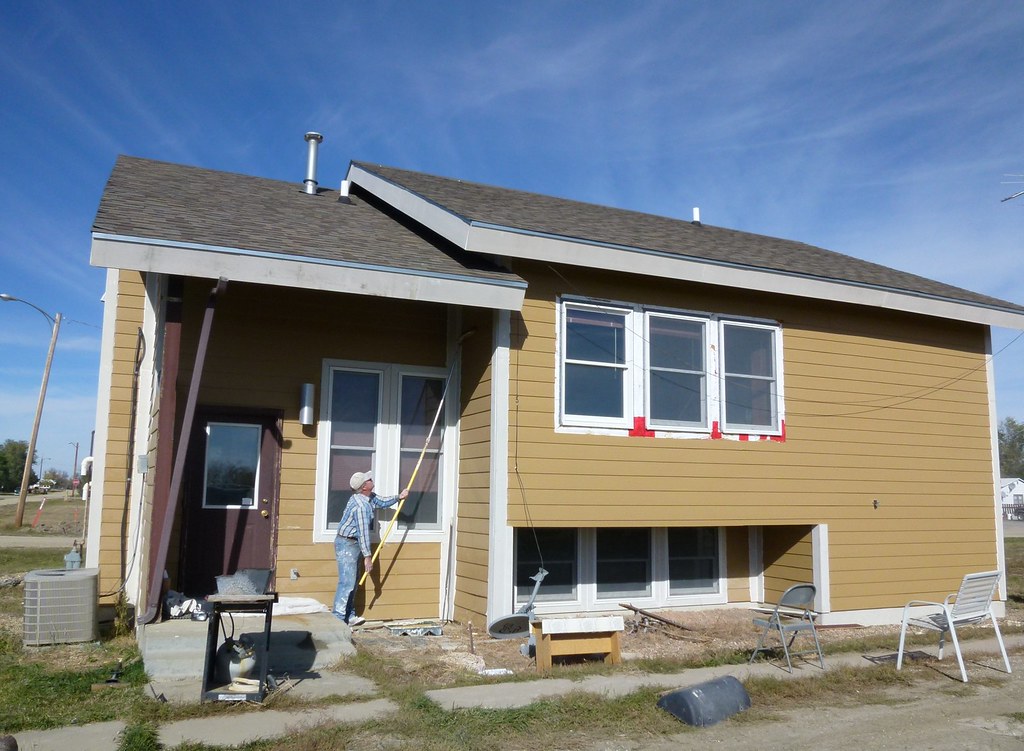
The exterior of your home is constantly exposed to the elements. From intense sunlight and high temperatures to heavy rain, humidity, and seasonal storms, every part of your home’s exterior experiences wear over time. While exterior paint certainly enhances curb appeal, it also serves as a protective barrier that shields siding, trim, doors, and other surfaces from moisture, UV rays, and environmental damage. When paint begins to deteriorate, the underlying materials become increasingly vulnerable, making timely repainting an important part of responsible home maintenance.
This Exterior Painting in Dallas, TX: How to Protect and Improve Your Home’s Curb Appeal guide explores the benefits of exterior painting, the warning signs that indicate it’s time to repaint, the best paint products for Texas homes, and the professional techniques that produce durable, attractive results. Whether you’re refreshing an aging exterior or completing a larger home improvement project, understanding the painting process helps protect your investment while enhancing your property’s appearance.
For homeowners in Dallas, exterior painting requires careful planning. North Texas experiences long periods of intense sunlight, high summer temperatures, humidity, heavy rainfall, and occasional severe weather. Choosing high-quality weather-resistant paints and ensuring proper surface preparation are essential for achieving long-lasting performance.
Exterior paint does much more than improve a home’s appearance. It forms a protective layer that helps preserve the structural materials beneath it.
A professionally painted exterior provides several important benefits:
Without adequate protection, wood, siding, and trim can deteriorate much more quickly, leading to expensive repairs that could have been avoided through routine maintenance.
Paint functions as one of the first lines of defense against the environment.
Quality exterior coatings help protect against:
By sealing exterior surfaces, paint reduces moisture absorption while helping maintain the integrity of siding, trim, doors, windows, and other architectural features.
Homes throughout Dallas face environmental conditions that can accelerate paint deterioration.
Common weather-related challenges include:
Over time, these conditions gradually affect paint adhesion, color retention, and surface protection.
Selecting products specifically designed for exterior durability helps maximize performance under Texas conditions.
The condition of a home’s exterior significantly influences first impressions.
Fresh paint can completely transform a property’s appearance by:
Whether homeowners plan to remain in their homes or prepare them for sale, exterior painting remains one of the most effective ways to improve curb appeal.
Exterior appearance contributes directly to perceived property value.
Well-maintained paint communicates that the home has been cared for, increasing buyer confidence and improving overall marketability.
Professional exterior painting may also:
For many homeowners, repainting represents one of the highest-return exterior improvement projects.
Exterior paint naturally wears over time.
Recognizing early warning signs allows homeowners to repaint before significant structural damage occurs.
Peeling indicates that paint is losing adhesion.
Common causes include:
Once peeling begins, exposed materials become vulnerable to further deterioration.
Strong sunlight gradually breaks down paint pigments.
Signs include:
Although fading may initially appear cosmetic, it often indicates declining protective performance.
Hairline cracks may allow moisture to penetrate beneath the paint film.
Left untreated, cracking can lead to:
Prompt maintenance helps prevent larger repair projects.
Exposed wood is especially vulnerable to weather.
Warning signs include:
Repainting after proper repairs helps restore protection.
Other indicators that repainting may be necessary include:
Routine inspections help identify these issues before they spread.
Selecting the right paint product is just as important as choosing the right color.
Modern coatings provide advanced durability designed to withstand demanding weather conditions.
High-quality acrylic latex paint remains one of the most popular choices for residential exteriors.
Advantages include:
Its flexibility helps accommodate the natural expansion and contraction caused by changing temperatures.
Elastomeric coatings are designed for surfaces requiring additional flexibility.
Benefits include:
These coatings are commonly used on stucco and masonry surfaces where minor movement may occur.
Many premium exterior paints include advanced technologies that improve resistance to:
Choosing weather-resistant products helps extend repainting intervals while maintaining attractive finishes.
The Paint Quality Institute recommends premium exterior acrylic paints for their durability, flexibility, and ability to withstand changing weather conditions while maintaining color and adhesion.
Color selection influences both appearance and long-term satisfaction.
Popular exterior color palettes in Dallas include:
Neutral colors continue to dominate because they complement a wide variety of architectural styles while maintaining broad resale appeal.
Accent colors on shutters, doors, and trim add character without overwhelming the overall design.
Professional painters understand that preparation often determines the success of an exterior painting project.
Proper preparation includes several essential steps.
Exterior surfaces should be thoroughly cleaned before painting.
This removes:
Pressure washing is commonly used where appropriate to create a clean foundation for new paint.
Before painting begins, damaged materials should be repaired.
Common repairs include:
Painting over damaged materials rarely produces lasting results.
Primer improves adhesion while creating a uniform surface for finish coats.
Benefits include:
Previously repaired areas and bare wood typically require primer before painting.
Professional painters apply paint using methods appropriate for each surface.
Techniques may include:
Proper application ensures consistent film thickness and even coverage across the entire exterior.
A quality painting project follows a systematic approach.
Every project begins with a detailed evaluation of:
This inspection identifies repairs needed before painting begins.
Planning includes:
Clear planning helps ensure efficient project completion.
Preparation remains one of the longest and most important stages of the project.
Painters clean, repair, sand, scrape, and prime surfaces to maximize adhesion and durability.
Premium coatings are applied according to manufacturer recommendations regarding:
Following these guidelines contributes to long-lasting results.
Upon completion, painters perform a thorough inspection to ensure:
Touch-ups are completed before the project is finalized.
Routine maintenance helps preserve the appearance and protective performance of exterior paint.
Recommended practices include:
These simple maintenance steps help extend the lifespan of exterior coatings.
Although some homeowners consider painting their own homes, exterior painting often requires specialized knowledge and equipment.
Professional painters provide several advantages.
Experienced painters understand:
Their expertise contributes to smoother, longer-lasting finishes.
Exterior painting frequently involves:
Professional crews are trained to complete these tasks safely.
Professionals complete projects more efficiently while minimizing disruption to homeowners.
Their experience allows them to manage weather conditions, scheduling, and material usage effectively.
Quality preparation and application help exterior paint maintain its appearance and protective qualities for many years.
Resources from This Old House also emphasize that thorough preparation, proper priming, and premium paint products are critical to achieving durable exterior finishes that withstand changing weather conditions.
Modern exterior paints are formulated with improved environmental performance compared to many older products.
Homeowners can choose low-VOC or low-odor options that reduce emissions while maintaining excellent durability.
The U.S. Environmental Protection Agency (EPA) also encourages the use of products and work practices that help maintain healthy indoor and outdoor environments while minimizing environmental impact during home improvement projects.
A successful exterior painting project requires more than simply applying new paint. It involves careful planning, detailed preparation, skilled workmanship, and a commitment to protecting the home’s exterior for years to come.
Paugh Handyman Service provides professional exterior painting services for homeowners throughout Dallas, helping protect and beautify residential properties with high-quality workmanship and durable materials. Their experienced team offers:
By combining attention to detail with quality products and proven application techniques, Paugh Handyman Service helps homeowners improve curb appeal while protecting exterior surfaces from the demanding Texas climate.
This Exterior Painting in Dallas, TX: How to Protect and Improve Your Home’s Curb Appeal guide demonstrates that exterior painting is one of the most valuable investments homeowners can make. Beyond enhancing appearance, quality exterior paint protects siding, trim, and other surfaces from moisture, sunlight, temperature changes, and everyday weather exposure. Recognizing signs such as peeling paint, fading colors, cracking, and wood deterioration allows homeowners to address issues before more extensive repairs become necessary.
Choosing premium weather-resistant coatings, performing thorough surface preparation, and working with experienced professionals all contribute to longer-lasting results and improved property value. Regular maintenance after painting further extends the life of exterior finishes while keeping the home looking its best throughout the year.