
Paugh Handyman Service Dallas
Reliable and Trustworthy
Reliable and Trustworthy

When it comes to interior house painting in Dallas, you’re not just choosing a color; you’re crafting an experience. Color psychology plays a significant role in how a space feels, with hues like soft blues promoting calm or vibrant reds energizing a room. The right paint finish is equally important. For high-traffic areas, a satin finish guarantees durability, while a flat finish can hide imperfections. Additionally, thorough surface preparation, including drywall repair and cleaning, is essential to guarantee longevity and adherence. Together, these elements create a home that’s not only beautiful but resilient. Discover how these choices can transform your space into something exceptional.
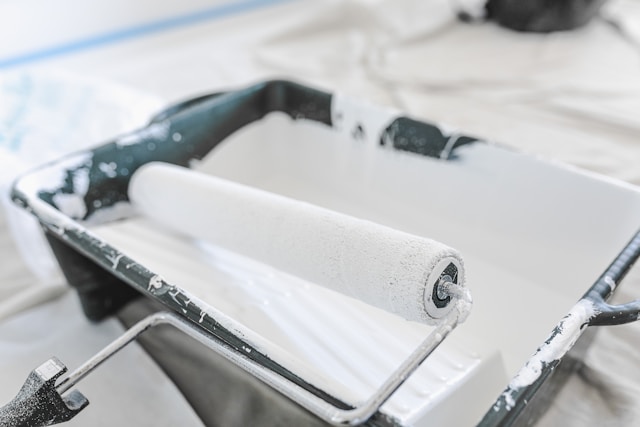
When you consider interior house painting, think beyond mere aesthetics; it’s an investment in your home’s long-term value. A well-executed interior painting project can greatly enhance your property’s appeal and market position. However, achieving lasting results demands meticulous surface preparation. This process includes repairing drywall, smoothing out imperfections, and priming surfaces, ultimately ensuring the paint adheres well and lasts longer.
Moreover, understanding color psychology plays an important role in your painting decisions. Colors can evoke emotions and influence perceptions, making it essential to choose shades that create the desired atmosphere in each room. Whether you want a calming sanctuary or an energetic gathering space, the right palette can transform your home.
Combining quality paint application with thorough surface preparation and mindful color selection not only elevates the appearance of your interiors but also bolsters durability and reduces maintenance over time. This thoughtful approach means that every dollar spent on interior painting isn’t just about the immediate look; it’s about fostering a welcoming environment that enhances comfort and value for years to come. So, when you think about painting your home, remember: it’s a strategic choice with far-reaching implications.
While selecting the right paint color may seem like the most significant aspect of interior painting, it’s just the tip of the iceberg. The process actually involves much more than simply choosing hues. You need to reflect on essential elements like paint finishes, which play a substantial role in the final appearance and durability of your walls. A high-gloss finish, for example, can enhance the vibrancy of a color but may also highlight imperfections.
Surface preparation is equally important. If your drywall isn’t properly repaired, your new paint job may reveal flaws that detract from your home’s aesthetic appeal. This includes addressing any cracks or holes before the application, ensuring a smooth and polished finish. Without adequate drywall repair, even the most carefully chosen color can look subpar.
Moreover, investing time and effort into these aspects can yield long-term results, making your interior house painting project worthwhile. A well-prepared surface in conjunction with the right paint finish will not only enhance the visual appeal but also extend the lifespan of your paint job. Ultimately, you’ll create an environment that reflects your style while maintaining quality and comfort.
Color psychology plays an essential role in home design, influencing not just aesthetics but also emotions and behaviors. When you’re starting on residential painting projects, understanding the psychological impact of color becomes key. This isn’t just about what looks good; it’s about creating spaces that evoke the feelings you desire.
For instance, vibrant reds and oranges can stimulate energy and enthusiasm, perfect for communal areas where you entertain. In contrast, soft blues and greens promote tranquility, making them ideal for bedrooms or meditation spaces. By thoughtfully applying color psychology, you can enhance the functionality and mood of each room.
In interior design, you should consider how different hues will harmonize with the existing decor and lighting. The right choices can create a cohesive atmosphere, facilitating emotional connections in your home. By engaging with this concept during your residential painting process, you’re not just choosing colors; you’re crafting an experience. So before you pick up that paintbrush, explore the psychological effects of color and make informed selections that resonate with your lifestyle and preferences.
Choosing the right colors for your living spaces can greatly enhance the atmosphere and mood, moving beyond mere aesthetics to influence how you feel in your home. Blue evokes tranquility, making rooms feel serene and expansive; it’s perfect for areas meant for relaxation. Green, closely associated with nature, can instill a sense of harmony and rejuvenation, great for living rooms and kitchens where family gathers. Gray offers a modern and sophisticated backdrop, adding depth without overwhelming the senses, while white reflects light, creating an airy feel. It’s ideal for smaller spaces appearing larger and more open. Beige, with its warmth and versatility, can complement various decor styles, providing a comforting touch.
When opting for these colors, consider low-VOC paints to maintain indoor air quality. They’re not only better for the environment but also help you breathe easier in your freshly painted spaces. If you’re thinking about cabinet painting, remember that color selection can effectively transform your kitchen or bathroom. Whether you choose calming blues or cozy beiges, the right hues will considerably elevate your living experience.
When it comes to selecting the right paint colors for each room, understanding the function and mood of the space is essential. For example, a vibrant yellow in a kitchen can stimulate energy and creativity, making mealtime feel more inviting. Conversely, soothing blues in a bedroom promote relaxation and calm, offering a perfect retreat from daily stresses.
It’s important to evaluate how each color interacts with natural light and existing furnishings. Warm shades tend to absorb light, making a smaller room feel cozier, while cooler tones can create the illusion of spaciousness in larger areas. You should also think about the psychological impact—red can evoke strong emotions, while greens foster a sense of tranquility.
Don’t forget the paint finish, either. A glossy finish reflects more light, enhancing brightness, whereas matte finishes absorb it, providing a softer look. In selecting colors, balance aesthetics with practicality; rooms should not only look good but also serve their intended purposes effectively. By carefully choosing paint colors, you can enhance your home’s ambiance and functionality, creating spaces that truly resonate with you.
Before you even pick up a paintbrush, conducting a thorough wall inspection is essential for achieving a flawless finish. Properly evaluating the walls not only saves you time and effort but guarantees that your paint job lasts longer and looks outstanding. You might be surprised by what you uncover during this inspection, so pay attention to the following key elements:
Having a smooth, flawless surface is vital for a professional-looking paint job, and that’s where drywall repair comes into play. You may not realize it, but even the smallest imperfections like dents, cracks, or holes can detract from the overall appearance of your freshly painted walls. Not only do these blemishes catch the eye, but they can also affect the paint’s adhesion, leading to peeling or bubbling over time.
Addressing these surface imperfections isn’t merely a cosmetic concern; it’s essential for achieving long-lasting results. Repairing drywall faults involves techniques such as patching, sanding, and applying joint compound. You’ll want to guarantee that any repairs are done meticulously, as these fixes must blend seamlessly with the surrounding surface. If you skip this step or rush through it, your beautiful new paint could look subpar, and that’s a mistake you don’t want to make.
Investing time and effort into thorough drywall repair enhances the entire painting process. By providing a solid foundation, you’re setting the stage for a brighter, more vibrant interior that not only looks great but stands the test of time. Don’t underestimate the importance of fixing those imperfections; it can truly make all the difference.
Though it may be tempting to dive straight into painting, properly cleaning, sanding, and preparing surfaces is essential for guaranteeing a high-quality finish. If you skip these critical steps, your new paint job could suffer, leading to peeling, uneven application, and dissatisfaction down the line.
Here’s what you should focus on to prepare your surfaces correctly:
The transformative power of primer cannot be overstated when it comes to achieving a long-lasting and visually appealing paint job. Primer acts as a critical base layer, fostering ideal paint adhesion and enhancing durability. Without it, your topcoat may struggle to bond to the surface, leading to peeling or chipping over time.
Using primer creates a smooth, uniform surface that helps to improve the overall appearance of your paint. It works particularly well on porous surfaces, filling in tiny imperfections and reducing the number of paint coats required. This not only saves you time and effort, but it also guarantees that your color comes through more vibrantly.
Moreover, primer acts as a protective barrier, preventing stains and odors from seeping through and tainting your painted surfaces. This quality is especially valuable in spaces like kitchens and bathrooms, where moisture and grime can be persistent issues.
Ultimately, investing in a high-quality primer sets the stage for paint that looks great and lasts. It ensures that your paint job withstands the test of time, preserving both your home’s beauty and your investment. Don’t underestimate the importance of primer—it’s essential to your painting success.
When it comes to choosing paint finishes for your interior walls, understanding the differences between flat, eggshell, satin, and semi-gloss options can greatly impact your home’s aesthetic and functionality. Each finish has its unique characteristics, and knowing these can help you make informed decisions.
Choosing the right finish isn’t just about aesthetics; it impacts longevity and maintenance. If you choose wisely, your walls could remain vibrant and beautiful for years, reducing the need for frequent repainting. So, take the time to evaluate how these finishes suit your home’s needs and the specific areas you’re painting.
Choosing the right paint finish for different rooms can considerably enhance the overall feel and functionality of your home. Each finish conveys its own aesthetic and practical benefits, so it’s essential to align your choices with the specific use of each space. For high-traffic areas like hallways or living rooms, satin or eggshell finishes are ideal; they offer durability and a soft sheen, making them easier to clean.
In contrast, bedrooms often benefit from a flat finish. It delivers a calming atmosphere and conceals imperfections well, perfect for creating a serene retreat. For kitchens and bathrooms that require frequent cleaning, semi-gloss finishes are the way to go. These finishes resist moisture and stains, ensuring longevity in these demanding environments.
When selecting finishes, consider light reflecting properties as well. Higher sheen finishes can brighten dark spaces, while matte finishes absorb light, fostering warmth. Ultimately, choosing the best paint finish is about balancing functionality with your desired aesthetic, ensuring each room not only looks great but works effectively for your lifestyle. Making informed decisions here will reflect in the long-term satisfaction of your home’s interior.
Opting for low-VOC (volatile organic compound) paints can greatly enhance your indoor air quality, making your home safer and more comfortable. By choosing these paints, you’re not just selecting a color; you’re investing in a healthier living environment for you and your family. Here are some key benefits of low-VOC paints:
Creating a striking accent wall can transform a room, drawing attention to a specific area and adding depth to your interior design. This feature not only elevates the aesthetic appeal but also enhances the overall atmosphere of your home. By carefully selecting a bold color or unique pattern, you can create a focal point that reflects your personality and style.
Incorporating design features such as wainscoting, shadow boxes, or even textured finishes can further enrich the space. These elements lend a tactile quality that engages the senses, making the room feel more dynamic. When paired with complementary furnishings and décor, an accent wall can unify the room’s design, providing a cohesive look that feels thoughtfully curated.
Moreover, the psychological impact of color should not be underestimated. A deep, rich hue might evoke warmth and comfort, while a vibrant tone could energize the space. Don’t shy away from experimenting—using colors that resonate with you is key to making your home a true reflection of who you are. Ultimately, the right accent wall and design features can elevate your interiors, ensuring they’re visually stunning and inviting.
Consistency and excellence in interior house painting stem from the meticulous processes professional painters employ. When you hire skilled painters, you’re investing in a systematic approach that secures results you can rely on for years. Here’s how they achieve that:
Homeowners in Dallas often seek reliable painting services that not only enhance their living spaces but also provide peace of mind. When it comes to interior painting, Paugh Handyman Service Dallas stands out due to its reputation for quality and professionalism. With nearly thirty years of experience, they’ve honed a thorough approach that emphasizes detailed surface preparation, ensuring that every project begins with a strong foundation.
You can trust their expertise in drywall repair and paint application, which greatly contributes to durability and visual appeal. What sets Paugh apart is their commitment to guiding homeowners in selecting colors and finishes that resonate with personal style and psychological impact. They understand how color influences mood and ambiance, helping you create spaces that truly reflect your home’s character.
Achieving stunning, long-lasting interiors hinges on a thoughtful blend of meticulous preparation, careful finish selection, and an understanding of color psychology. You can elevate your home’s beauty and durability by paying attention to these key elements.
Consider the following points to guarantee your project stands out: